

120 followers
About JesusChrest
120 FollowersFor whoever is under law is under a curse. Chrest has purchased us from the curse of the law by becoming a curse on our behalf—
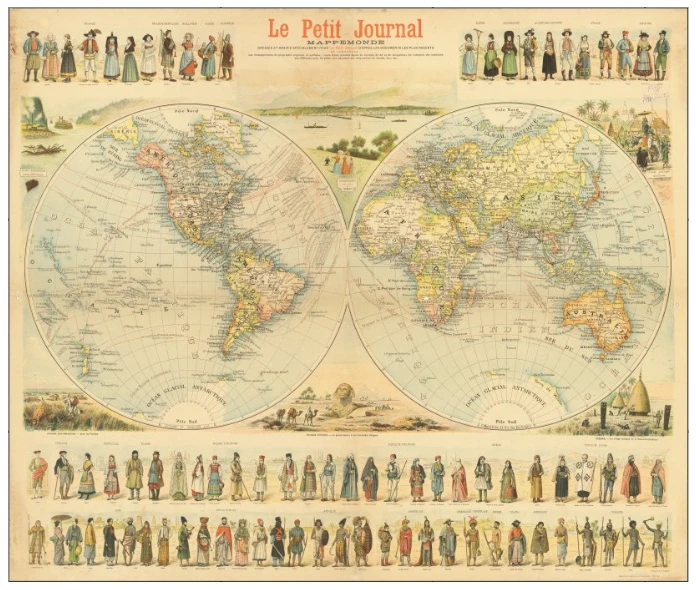
A correct map.

A correct map.
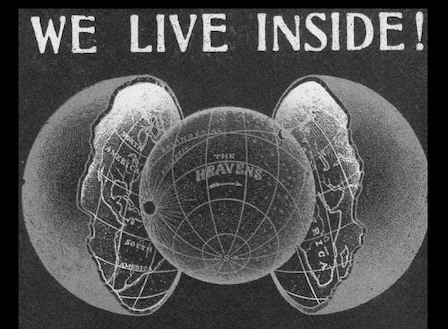
CORRECT EARTH MODEL
The Marcionite Bible was not divided into "Old" and "New" testaments like the modern Bible, and was dramatically shorter. It was divided into two parts, the gospel (or Evangelion) and the epistles of Paul (or Apostolicon). The Marcionites only recognized one gospel as legitimate; it was called The Gospel of the Lord, and it was similar to Luke but significantly shorter. The Marcionite version of the Epistles of Paul was also significantly shorter than the version found in conventional Bibles.
The documents that make up the Marcionite Bible have not physically survived to modern times; all known copies were destroyed by the religious authorities when the Catholics gained political power in the fourth century.
The great evangelist, Marcion, evangelized the countries around the Mediterranean at the very beginning of the 2nd century. He emphatically taught that Jehovah was not and could not be the Heavenly Father, and wrote the "Antithesis", which presented his view. Many of the Gentile Chrestians maintained this view for many years, although they suffered very severe persecution.
According to Marcion, the title God was given to the Demiurge, who was to be sharply distinguished from the higher Good God. The former was díkaios, severely just, the latter agathós, or loving-kind; the former was the "god of this world", the God of the Old Testament, the latter the true God of the New Testament.
Chrest, in reality, is the Son of the Good God.
The evil God is the Creator God, that is to say, the one who made the visible world. This God boasts himself in Isaiah (45:7) as being the author of evil. He is indeed cruel and belligerent. It is by his incumbent responsibility that the fall of man took place since his beginning. Later, in the mosaic law, which is his work, he is shown to be barbaric and fanciful. Moreover, if the Creator God didn't foresee the evil that exists in the world created by him, he is ignorant; if, having foreseen it, he didn't want to prevent it, he is evil; if, he wanted to prevent it but was unable, he is impotent.
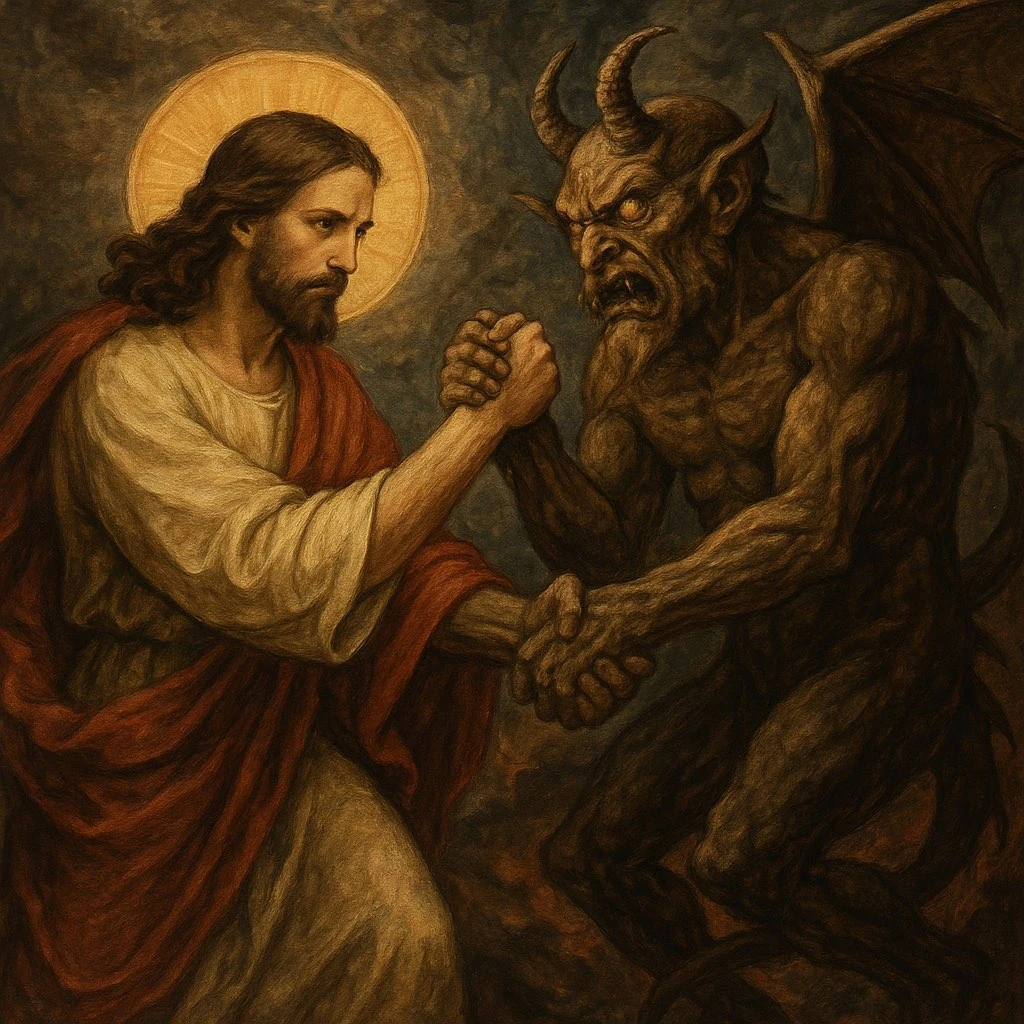
At length the Good God looked down from Heaven, and saw the miseries which man suffered through the Creator. And He took compassion on them, and sent them down His Son to deliver them, saying: "Go down, take on Thee the form of a servant, and make Thyself like the sons of the Law. Heal their wounds, give sight to their blind, bring their dead to life, perform without reward the greatest miracles of healing; then will the God of the Law be jealous and instigate his servants to crucify thee. Then go down to Hell, which will open her mouth to receive Thee, supposing Thee to be one of the dead. Then liberate the captives Thou shalt find there, and bring them up to Me."
And thus the souls were freed from Hell and carried up to the Father. Whereupon the God of the Law was enraged, and rent his clothes and tore the curtain of his palace, and darkened the sun and veiled the world in darkness. Then the Chrest descended a second time, but now in the glory of His divinity, to plead with the God of the Law. And the God of the Law was compelled to acknowledge that he had done wrong in thinking that there was no higher power than himself. And the Chrest said unto him: "I have a controversy with thee, but I will take no other judge between us but thy own law. Is it not written in thy law that whoso killeth another shall himself be killed; that whoso sheddeth innocent blood shall have his own blood shed? Let me, then, kill thee and shed thy blood, for I am innocent and thou hast shed My blood."
And then He went on to recount the benefits He had bestowed on the children of the Creator, and how He had in return been crucified; and the God of the Law could find no defence, and confessed and said: "I was ignorant; I thought Thee but a man, and did not know Thee to be a god; take the revenge that is Thy due." And the Chrest thereupon left him, and betook himself to Paul, and revealed the path of truth.